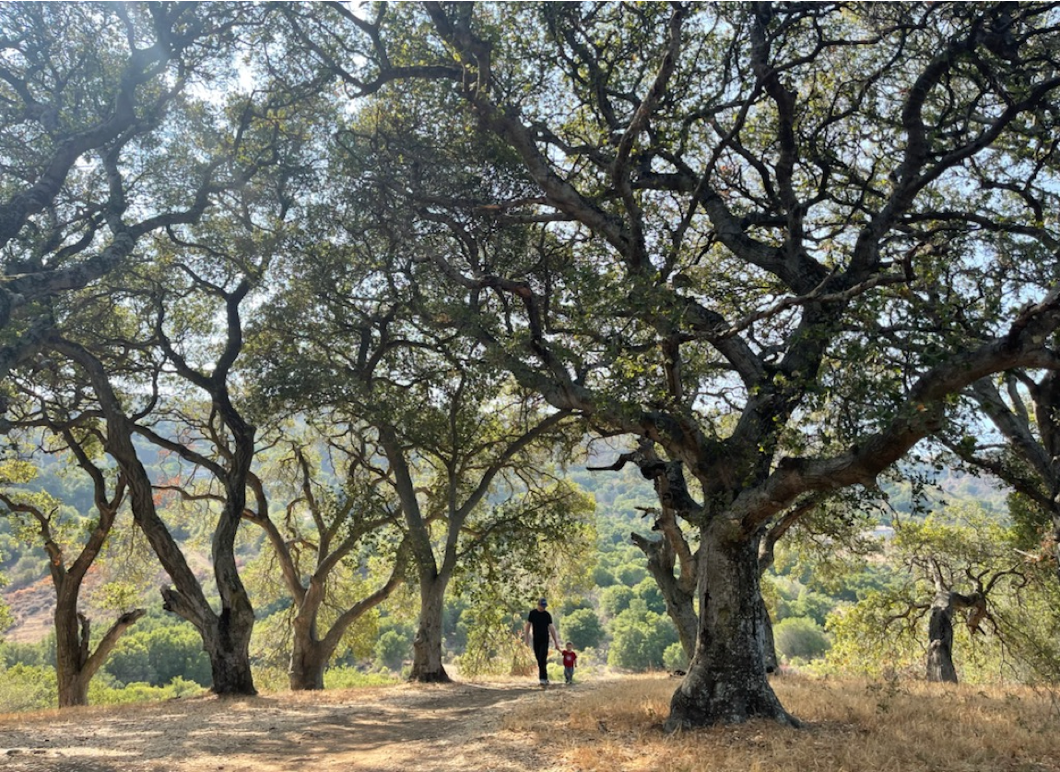
"The true meaning of life is to plant trees,
in whose shade you do not expect to sit." — Ancient Proverb
in whose shade you do not expect to sit." — Ancient Proverb
California's woodlands and forests are some of the most biodiverse places on Earth. Many of the region's oaks, sequoias, pines, firs and other trees are what ecologists call foundational species — organisms around which entire ecosystems are structured — like redwoods in a redwood forest, or oaks in an oak woodland. They are habitat and food, cycle water and nutrients, and form the architecture on which everything else is balanced. Many of these trees are threatened, as California's climate shifts.
The question I wake up asking is not whether these trees are in trouble, but whether we can move fast enough to do something about it.
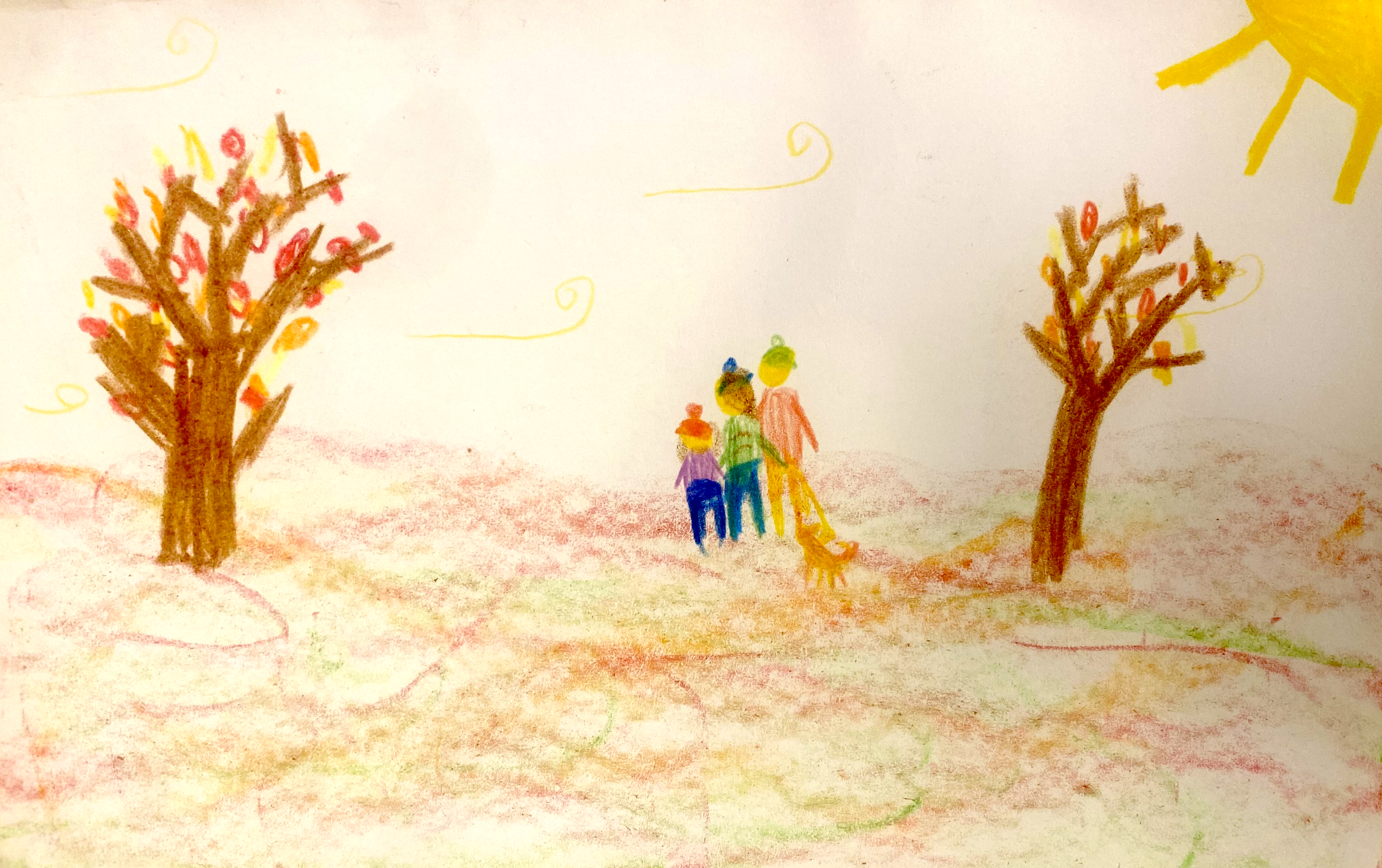
What drew me to this work, and what keeps me here, is that the window for action is still open. The populations that carry the genetic variation most likely to be useful in a warmer, drier California still exist. The Indigenous communities who have tended these landscapes for generations are still here, with knowledge on how to steward them through adversity. Ranchers and foresters value the ecosystem services that these trees provide. And the science needed to identify where and how to help is advancing rapidly.
Proximity to trees and forests is associated with measurable reductions in stress, anxiety, and depression. Trees also mitigate the risks of heatwave exposure. Access to trees is a health issue, not just a conservation issue.
Foundational trees draw water from deep in the earth or from fog in the air, and distribute it to neighboring plants. They create habitat, anchor food webs, cycle nutrients, and can sustain hundreds of species across trophic levels, from insects to large mammals.
California's oaks, pines, and other foundational trees have been tended and harvested by Indigenous communities for millennia. These relationships are critical to how these landscapes are stewarded into the future.
Conservation and research to help our forests and woodlands adapt to climate change takes sustained resources. If they matter to you, consider contributing to our work.