CA trees more vulnerable than current rankings suggest
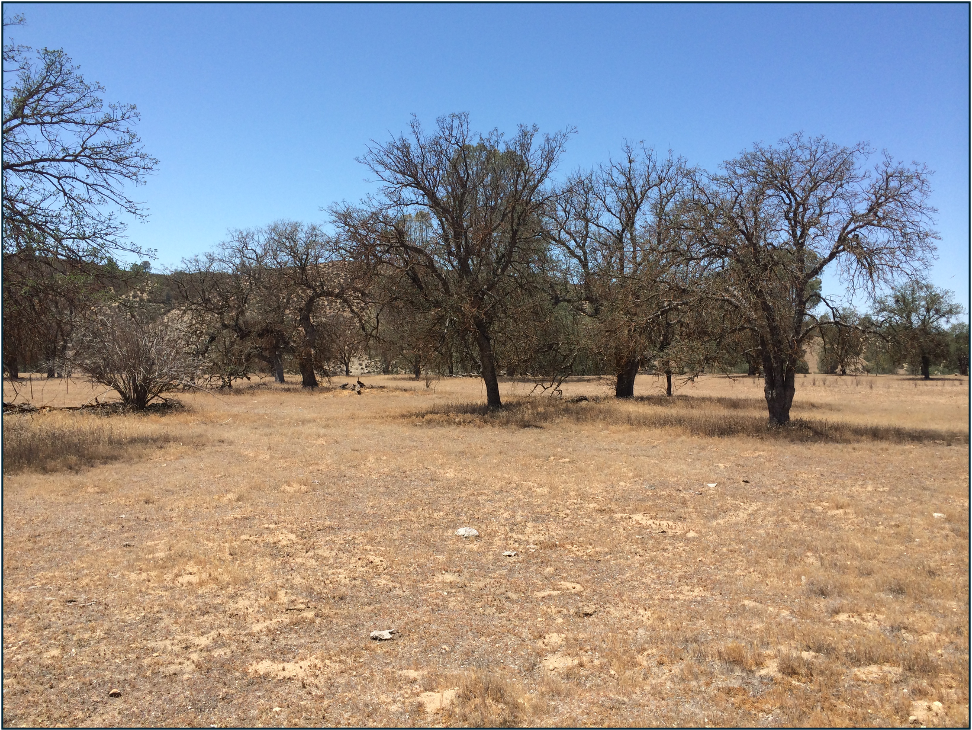
California's iconic trees are in more danger from climate change than official IUCN Red List conservation rankings currently suggest. A new study from our lab on California's foundational trees, published in Global Change Biology in April 2026, finds that current risk assessments significantly underestimate threats because they do not fully account for how climate change will shrink the areas where these trees can survive.
Our team found that even under the most conservative climate-change forecasts, most species qualify for increased Red List threat status — a gap between the science and conservation policy that urgently needs to be addressed.
Read the paper → Read the press release →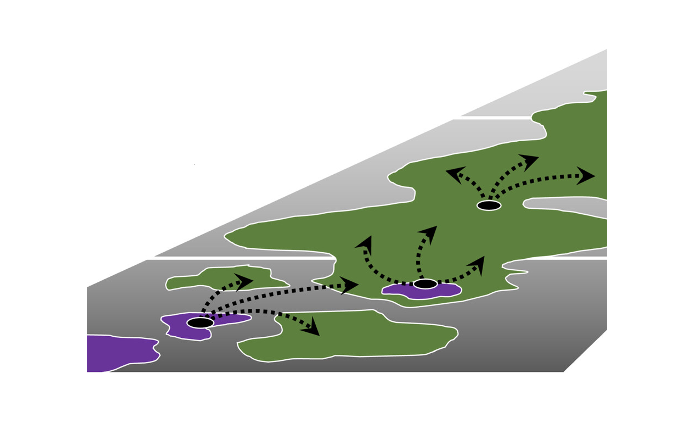
Climatic nuclei
A positive approach to climate-adaptive conservation — some species will thrive with climate change! Our team recently developed the theoretical framework around "climatic nuclei" — places on the landscape that already experience conditions projected to become more widespread, and that host species that could thrive and expand in the future.
The climatic nuclei framework offers a pro-active approach to identifying where conservation investment today can yield benefits in helping high biodiversity or cultural value species expand into future climates.
This work was published in Global Change Biology in December 2025.
Read the paper →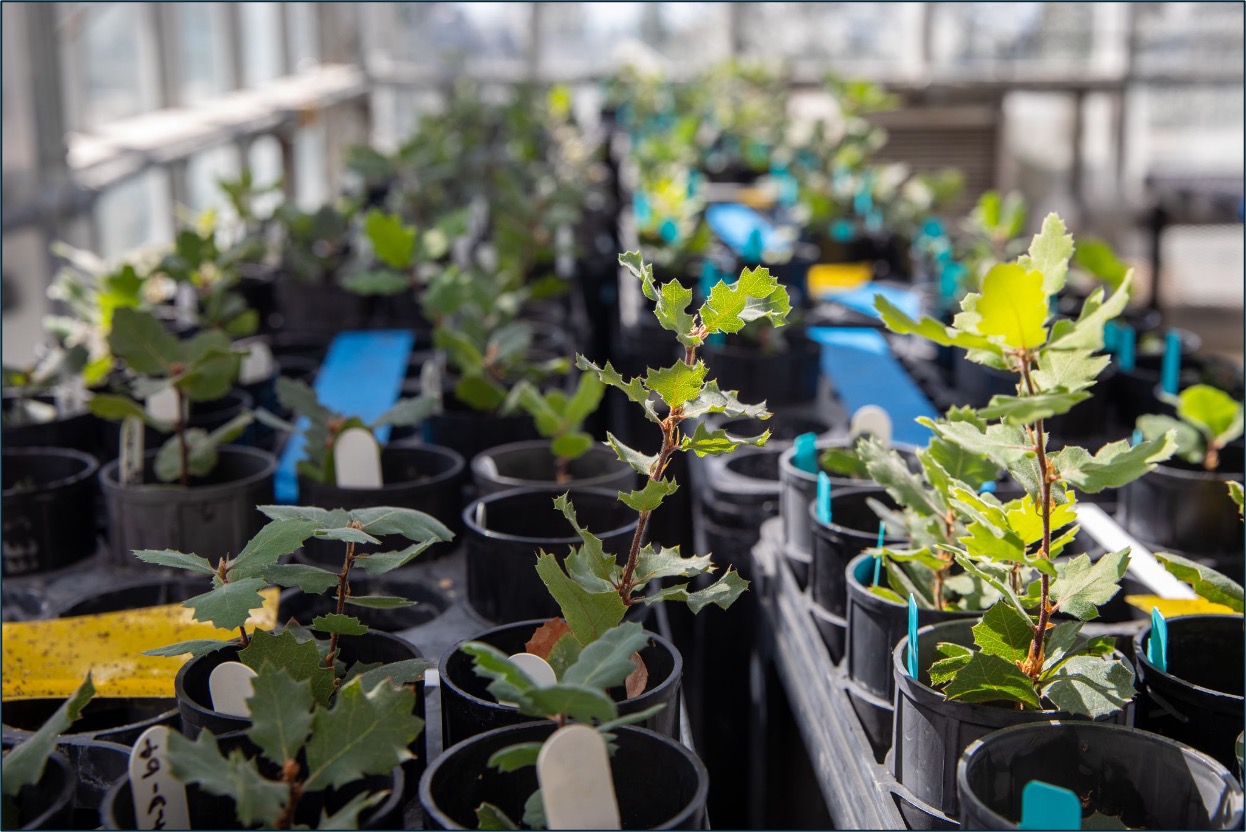
Harnessing a Species' Genome to Build Climate Change Resilience
We are working with the Meyer Lab at UCSC and the Sork Lab at UCLA to conduct the most extensive landscape genomics work yet on the iconic California blue oak (Quercus douglasii), with an eye toward understanding local adaptation to climate. This work will inform our next round of collections and plantings for the community-based gene bank, the Blue Oak Living Library.
We are also developing a new initiative examining pollen-mediated gene flow and hybridization across the California white oak complex. This work would have direct implications for seed sourcing strategies and anticipating population resilience.
Blue Oak Living Library
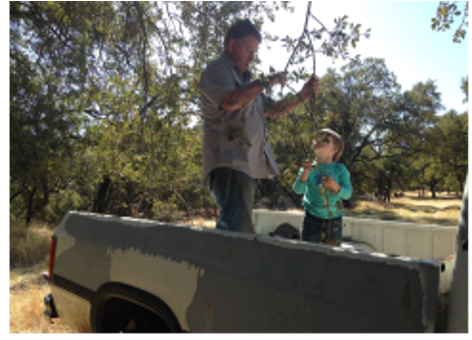
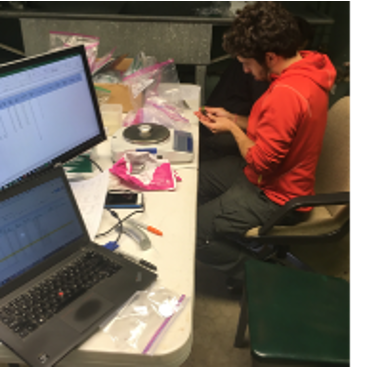
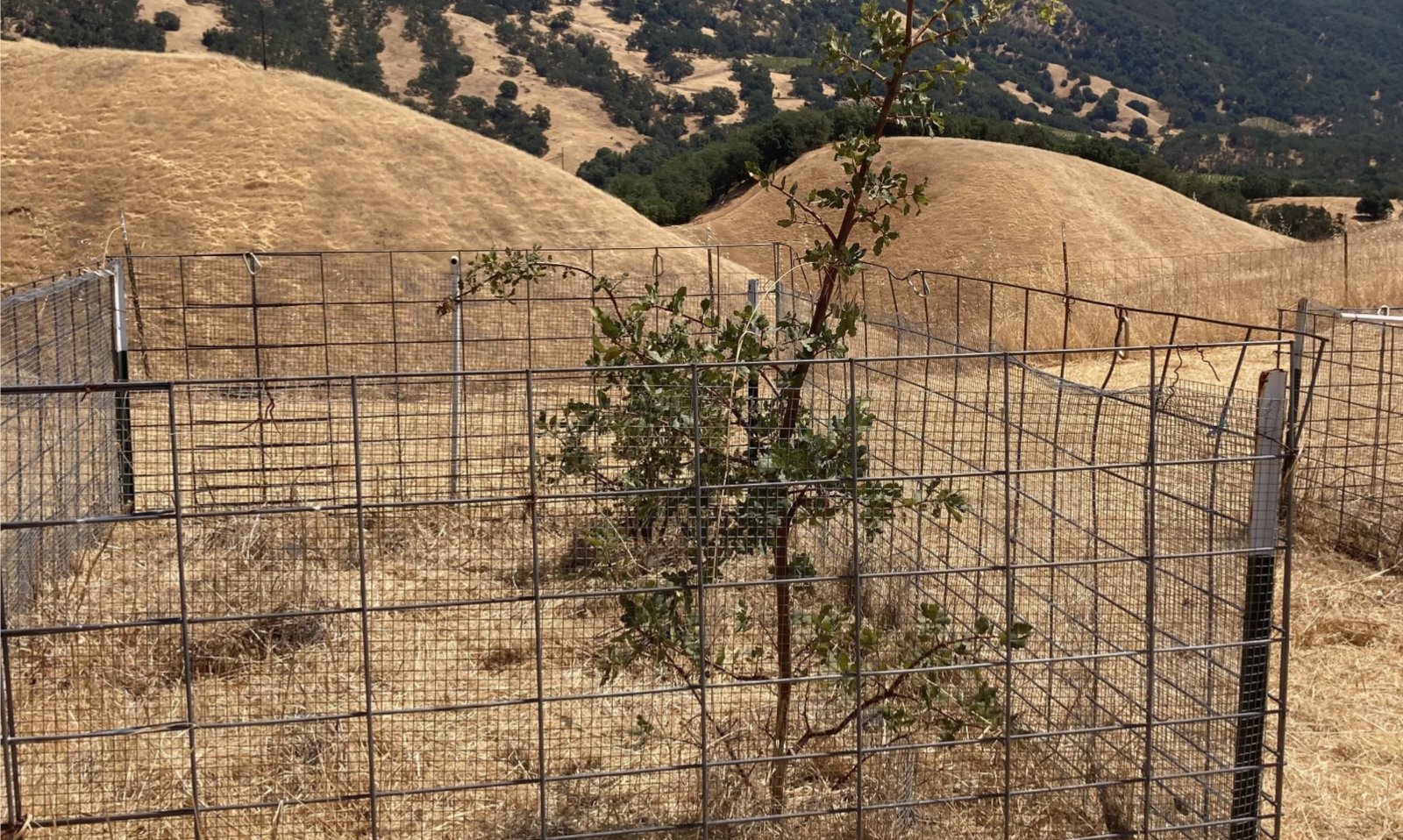
We are already on the verge of losing critical oak drought-adaptive genetic resources as climate exceeds species' tolerance thresholds (read the paper; and this one). Acorns cannot be stored in conventional seed banks, and with no soil seedbank, once adults die out these genetic resources cannot be recovered. The Blue Oak Living Library is a community-based, cost-effective effort to rescue and conserve these genetics before they are lost.
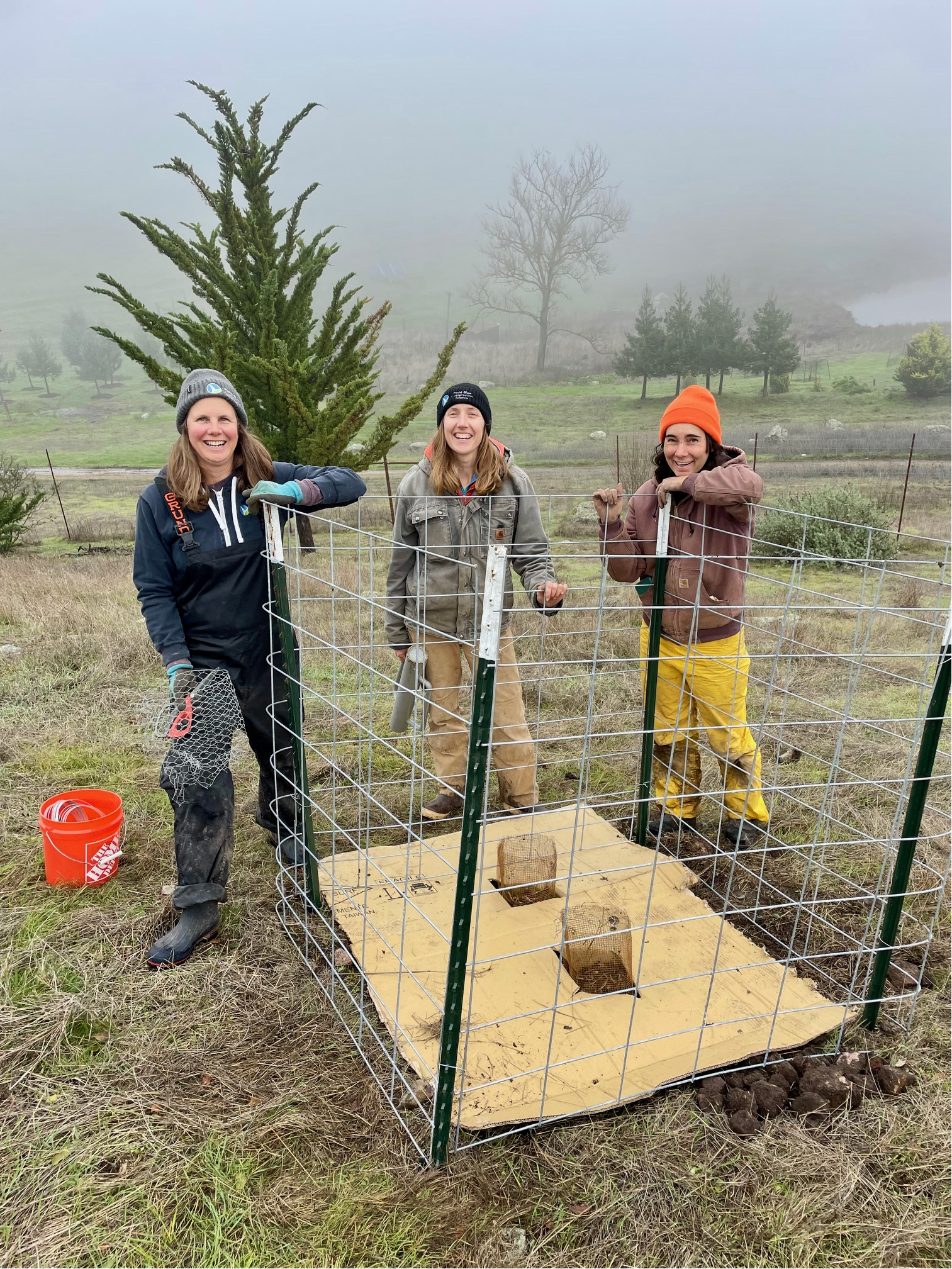
Working with Point Blue Conservation Science, ranchers, and others across California, we identify at-risk, climate change-adaptive populations, collect seeds, and outplant them in safer locations where they are tended by local land stewards and monitored by our research team. When those seedlings mature, acorns will be available for restoration wherever heat- and drought-adaptive traits are needed.
The Blue Oak Living Library was founded in 2018 and is entering an expansion phase at its 10-year anniversary, guided by our recent genomics work (see above). Please get in touch if you would like to support this initiative by hosting a planting site, or contributing to the work.
Read the paper →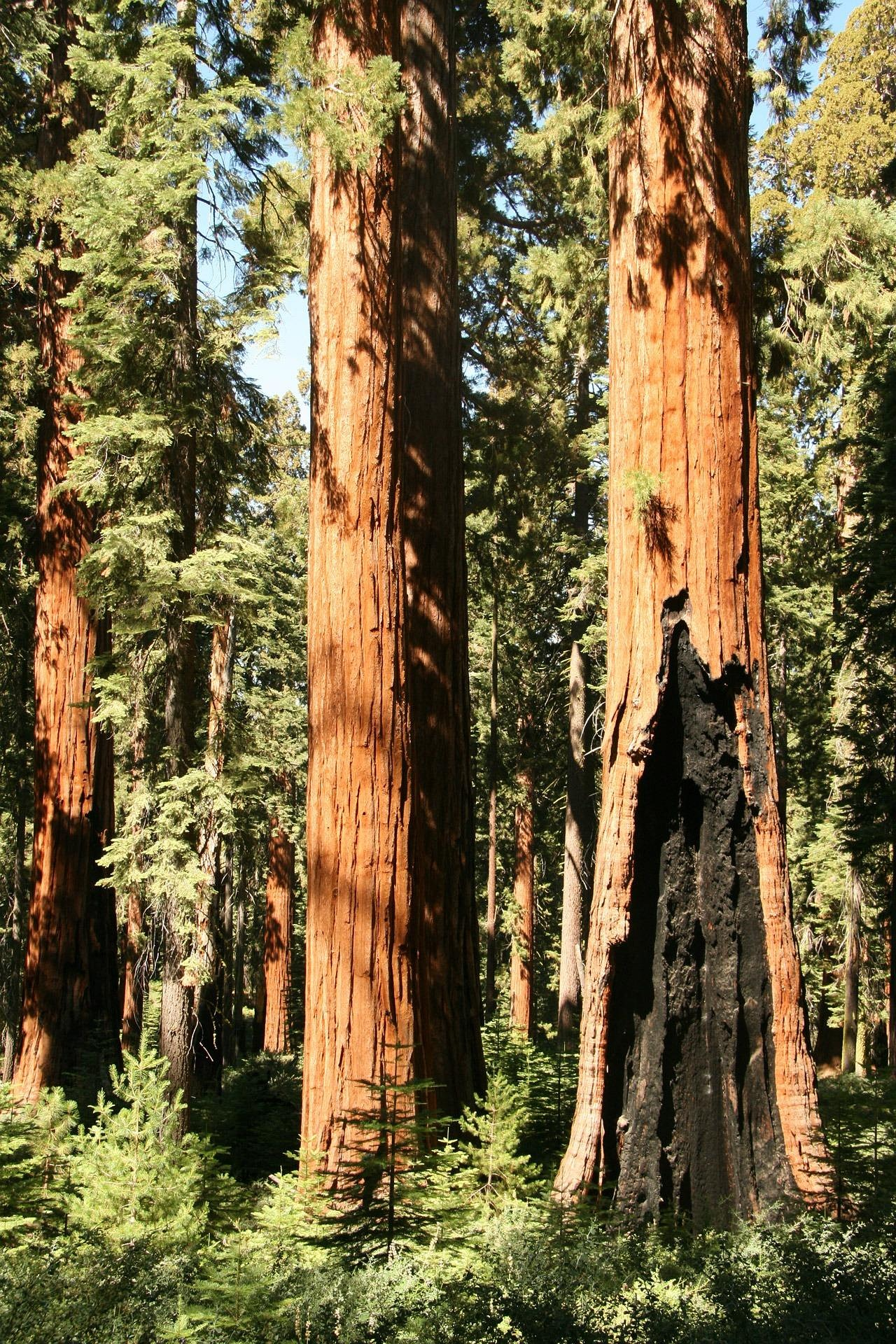
California Futures: A new tool that allows everyone to see how climate change is impacting our woodlands and forests
Where will California's foundational trees likely thrive and where will they be lost with climate change? How far can birds and rodents move seeds into newly suitable habitats, and beyond this, where will humans need to help trees track climate change? These are urgent questions for the land managers, policy makers, ranchers, foresters, Tribes, and citizens of our state. California Futures is a new program to build this science and translate it into a user-friendly, publicly available web interface. With this AI-assisted tool, all Californians will be able to envision what's at stake for our woodlands and forests and help protect the landscapes they value. Support this effort →